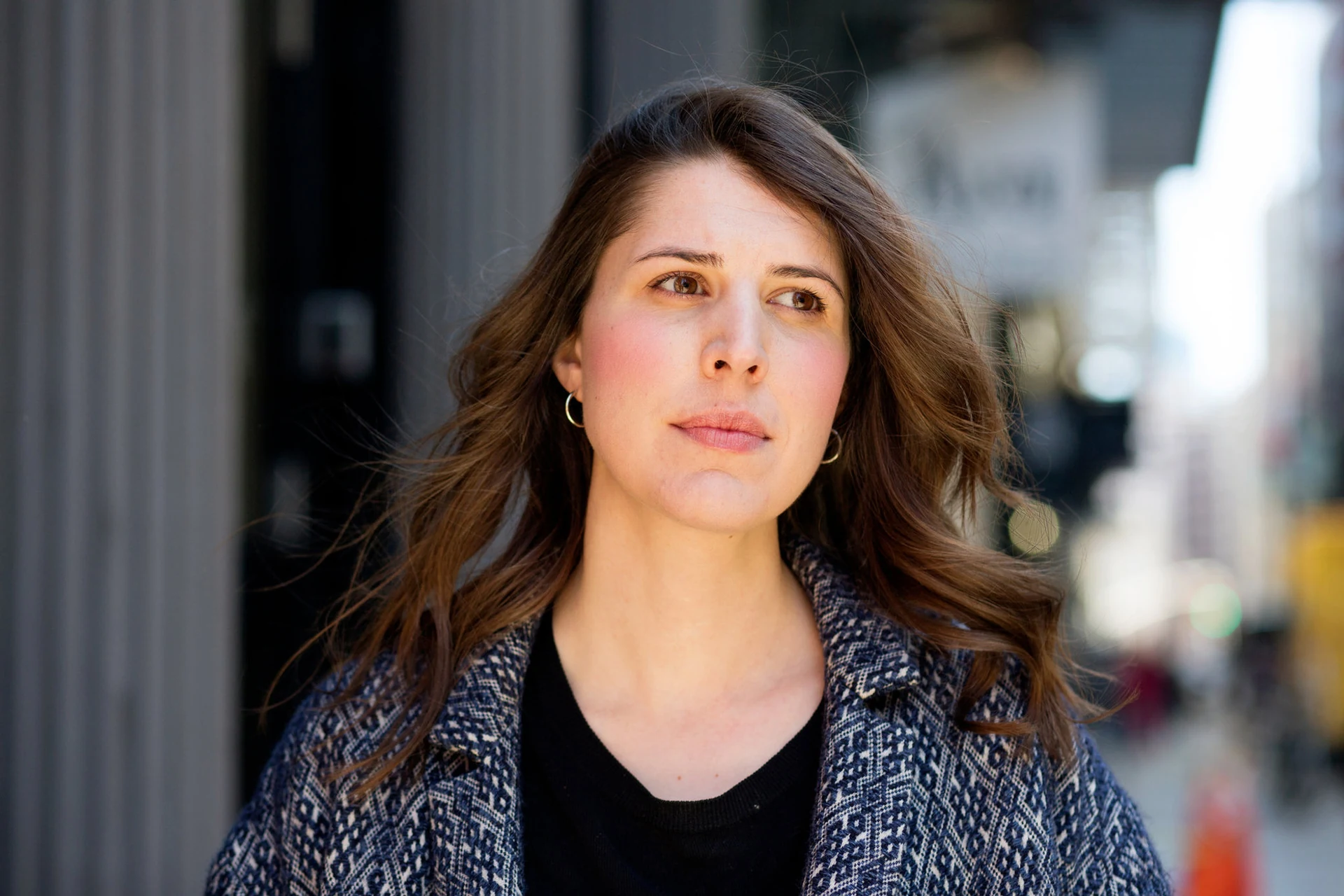
Some screenwriters are known for spectacle. Sarah Polley is known for something harder to pull off: making a quiet conversation feel like the most important event in the world. Over four films as a writer and director, she has built a career on honest emotion, careful structure and a deep respect for the audience's intelligence, and her screenplays have earned her two Academy Award nominations, including a win for Women Talking.
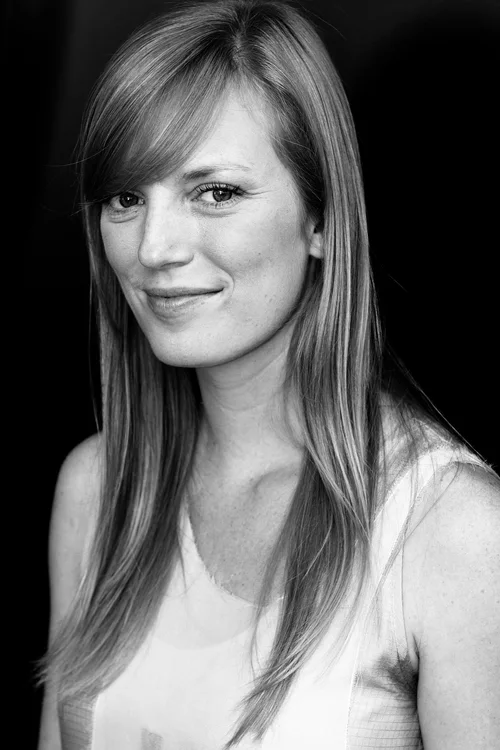
Sarah Polley. Photo credit: Nicolas Genin (nicogenin), via Wikimedia Commons, CC BY-SA 2.0
Her path is unusual. Polley began as a child actor in Canada and spent years in front of the camera before she moved behind it. That early education shows in her writing, which is always alert to what a performer needs and to how much can be said in a single look.
Away from Her: Adapting With Restraint
Polley's first feature as a writer and director was Away from Her (2006), adapted from Alice Munro's short story "The Bear Came Over the Mountain." It follows a married couple, Fiona and Grant, after Fiona's memory begins to fail and she moves into a care facility. The script earned Polley an Oscar nomination for Best Adapted Screenplay.
What stands out is how little the film pushes. Adapting a short story means deciding what to keep, and Polley keeps the emotional core while trusting silence and small gestures to do the rest. The story could easily have turned into melodrama, yet it stays grounded in ordinary moments, which makes the heartbreak feel real rather than manufactured.
The lesson for adapters is that fidelity to feeling matters more than fidelity to every scene. If you are working from a book or story, ask what the heart of it is and protect that above all else.
Take This Waltz: Small Choices, Large Consequences
Her second feature, Take This Waltz (2011), follows Margot, a woman in a loving marriage who becomes drawn to her neighbor. It is a story that could be told as a simple tale of temptation, but Polley is more interested in the inner life of someone who cannot say exactly what is missing.
The script lets contradictions stand. Margot is not a villain and her husband is not a fool, and the film does not hand us an easy verdict. For writers, this is a valuable reminder that a character can make a choice we understand without making one we approve of. That tension is what keeps an audience thinking long after the credits.
Stories We Tell: Questioning the Story Itself
Stories We Tell (2012) is a documentary about Polley's own family, built around the discovery of a secret about her parentage. The film is as much about storytelling as it is about the facts. Different relatives remember the same events differently, and Polley lets those versions sit side by side instead of declaring one the truth.
As a writer, she makes a bold structural choice. The audience is never allowed to settle into a single, comfortable narrator. Instead, we are reminded that every story is shaped by whoever tells it. That idea can be useful in fiction as well. When characters disagree about what happened, the gaps between their versions can create drama without a single added plot twist.
Women Talking: A Whole Film in Conversation
Polley's most celebrated screenplay is Women Talking (2022), adapted from Miriam Toews's novel, which was inspired by real events in an isolated Mennonite community. After a series of assaults, the women of the colony gather in a hayloft to decide whether to stay and do nothing, stay and fight, or leave. The script won the Academy Award for Best Adapted Screenplay.
On paper, this sounds difficult to film. Most of the story is a debate in a single location. In practice, it is gripping, because Polley understands what makes a conversation dramatic. Every woman in the room wants something different, every argument has a cost and every decision has consequences for the children outside.
Three techniques are worth studying:
- Give every voice a position. The characters are not interchangeable. Each one holds a different belief, and each belief has a reason behind it.
- Keep the stakes visible. The question on the table, whether to stay or go, is simple enough to hold in your head throughout.
- Let silence work. The film pauses at the right moments, letting a look or a long breath say what a speech could not.
What Screenwriters Can Learn From Sarah Polley
Across her work, a few habits stand out. She trusts quiet scenes to carry weight, she resists easy answers and she builds her stories around real emotional questions rather than plot machinery. She is also generous with her characters, letting each one be wrong and right in different moments.
If you want to write like her, start by looking at your own scripts and asking where you have explained something that you could have shown. Look for scenes where every character wants the same thing, and give them competing goals instead. And remember that a single room, a single conversation and a well-chosen group of people can be enough to carry a feature film.