There is a particular kind of satisfaction that comes at the end of a well written film. A detail you barely noticed in the first act suddenly becomes the key to the climax, and everything clicks into place. The ending feels surprising, yet completely inevitable. That feeling is not luck. It is the result of careful setups and payoffs.
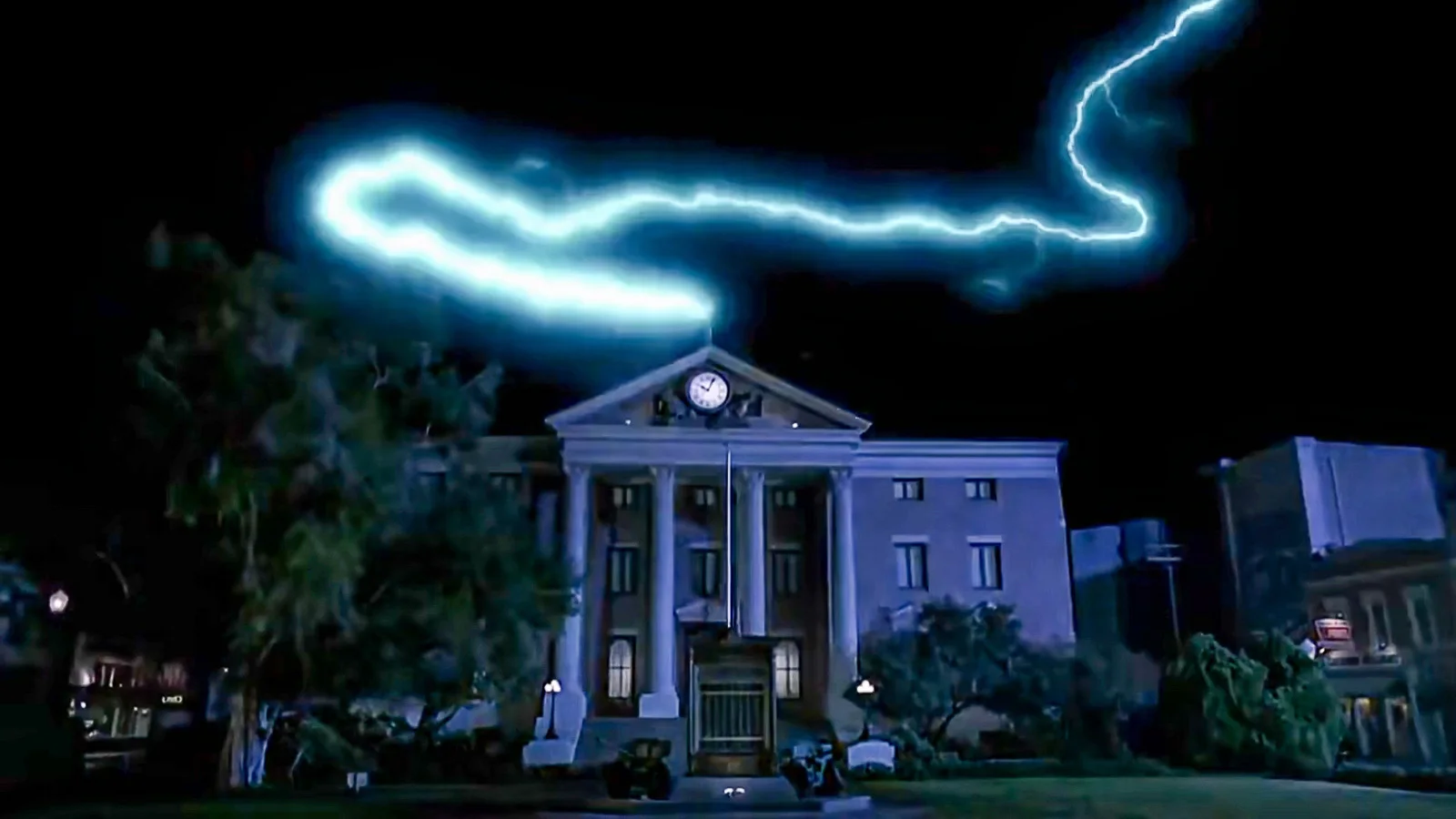
Still from 'Back to the Future' (1985). Photo credit: Universal Pictures
A setup is any piece of information, object, skill or character trait that the audience is shown early in the story. A payoff is the moment that setup returns and matters. When the two are connected well, the audience feels rewarded for paying attention. When they are missing, endings can feel convenient or unearned.
The Principle Behind It
The idea is often linked to the playwright Anton Chekhov, who argued that if a story shows a rifle hanging on the wall in the first act, it should be fired by the end. In other words, nothing important should appear without a reason, and nothing important should happen without being prepared.
For screenwriters, this works in both directions. Anything you set up should pay off, and anything your climax depends on should be set up. If your hero suddenly reveals they can pick locks in the final scene, the audience will feel cheated. If we saw them practising earlier, the same moment becomes a triumph.
Hide the Setup in Plain Sight
The best setups do not draw attention to themselves. In Back to the Future (1985), Marty is handed a flyer asking for donations to save the town's clock tower, which was struck by lightning decades earlier. At the time it plays as a small comic moment. Later, that flyer gives Marty the exact time and place of the lightning strike, which becomes his only way back to 1985.
The trick is to give the setup another job when it first appears. The flyer works as a joke and as a piece of world building, so the audience does not realise they are being handed the solution to the climax. If a setup feels like it exists only to be used later, viewers will see the payoff coming long before it arrives.
Let Objects Carry the Story
The Shawshank Redemption (1994) is full of payoffs built around ordinary objects. Andy asks for a small rock hammer to work on his hobby, and later a poster of Rita Hayworth to decorate his cell. The film treats both as small comforts in a harsh place. Only at the end do we learn that the hammer, the poster and even the Bible that Andy keeps close were part of a plan that took years.
Because each object was introduced naturally, the reveal reframes the entire film. The audience wants to go back and watch it again, noticing all the clues they missed. That is one of the most powerful effects a payoff can have.
Pay Off Character, Not Just Plot
Setups are not limited to objects and information. Character traits, fears and relationships can all be planted early and paid off later. In Die Hard (1988), John McClane is given a piece of advice on the plane about taking off his shoes to relax. It is why he spends the rest of the film barefoot, a detail that makes the infamous broken glass sequence far more painful.
The same film plants a watch that Holly receives from her company. At the climax, removing it becomes the moment that saves her. Neither detail draws attention to itself, yet both shape how the final act plays out.
When you plan your story, think about what your protagonist will need at the end, emotionally as well as practically. If they need courage, show us their fear first. If they need to forgive someone, show us the wound early on.
Use Repetition to Build Meaning
A setup can return more than once. A line of dialogue, a gesture or an image that repeats across a story can gather meaning each time it appears. The first time it might be playful, the second time painful, and the final time cathartic.
This kind of repetition is especially useful in dramas and character pieces, where the payoff is often emotional rather than practical. When a phrase that once meant something trivial is finally spoken in a moment of crisis, the audience feels the whole journey behind it.
Check Your Script During Revision
Setups and payoffs are often easiest to fix in rewriting. Once you know how your story ends, go back through the script and ask two questions. What does my climax depend on, and have I shown it earlier? What have I introduced that never returns?
You will often find setups that lead nowhere and can be cut, as well as moments in the ending that need a little more preparation. Small adjustments, such as adding a single line or moving an object into an earlier scene, can transform how the ending lands.
Bringing It All Together
A satisfying ending is built long before the final scene. By planting details early, hiding them in plain sight and paying them off when they matter most, you make your climax feel both surprising and inevitable.
The next time an ending in your script feels flat or convenient, look backwards rather than forwards. The answer is usually somewhere in the first act, waiting to be set up.