Few pilots establish a voice as quickly as the first episode of Fleabag (2016). Written by and starring Phoebe Waller-Bridge, and adapted from her one-woman stage show, the series follows a sharp, funny and self-destructive woman in London who is struggling to keep her life together. Within the first minute, the audience knows exactly what kind of show they are watching, and exactly who is in charge of the story.
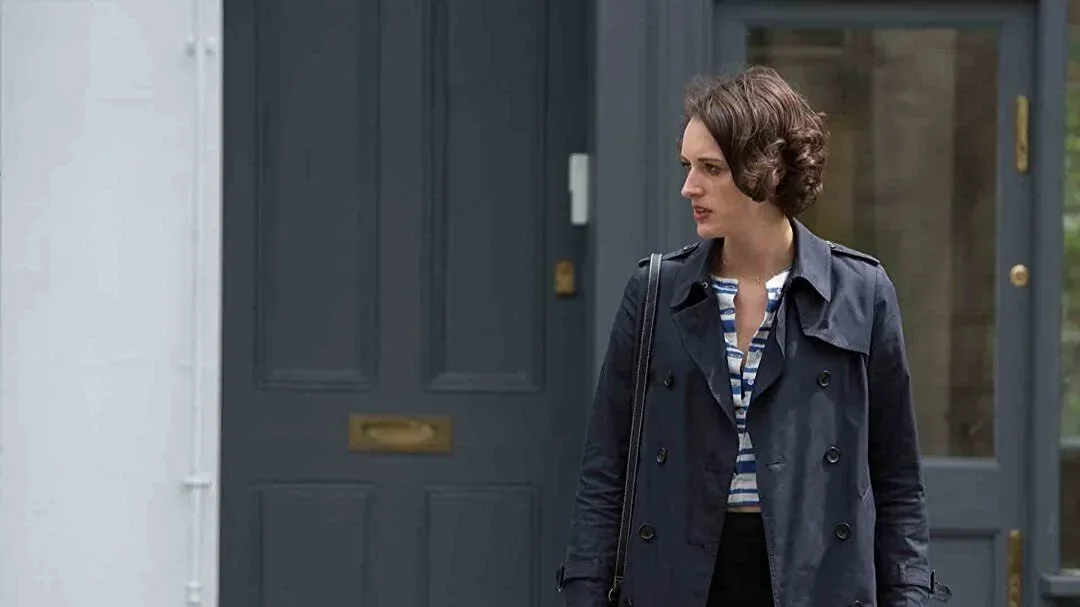
Still from 'Fleabag' (2016). Photo credit: BBC
For screenwriters, the pilot is a lesson in how tone, character and structure can work together to make a half hour of television feel both hilarious and quietly devastating.
Breaking the Fourth Wall
The most striking choice in the pilot is that Fleabag talks directly to the camera. She comments on what is happening, makes jokes at other people's expense and invites the audience to share in her point of view. It feels like being let in on a secret.
This device does a huge amount of work. It gives the show its comedic rhythm, since a quick glance to camera can land a joke without a word. It also creates intimacy. The audience becomes her confidant, which makes it all the more powerful when we begin to notice the things she is not telling us. The fourth wall breaks are not just a gimmick. They are a window into a character who uses humour to keep everyone, including the viewer, at a distance.
A Protagonist Who Is Hard to Like and Easy to Love
Fleabag makes bad decisions. She is selfish, impulsive and often unkind. In many pilots, a writer might soften these traits to make sure audiences like the lead. Waller-Bridge does the opposite. She shows Fleabag at her worst early on, trusting that the honesty and humour will keep viewers on her side.
It works because the script also hints at pain beneath the surface. We learn that she runs a struggling café that she started with her best friend, Boo, who has died. Her grief is never fully explained in the pilot, but it hangs over everything she does. That mixture of comedy and hidden sorrow makes her flaws feel human rather than off putting.
Family as a Source of Conflict
The pilot introduces Fleabag's family through a series of awkward encounters. Her sister, Claire, is uptight and successful, the opposite of Fleabag in almost every way. Their father struggles to communicate with either of them. The tension between them is played for laughs, yet it is clear that something has broken in this family.
These relationships give the series room to grow. The pilot does not resolve any of them. Instead, it sets up conflicts that can be explored over many episodes, which is exactly what a strong pilot should do.
Economy of Storytelling
Fleabag episodes are short, and the pilot wastes no time. Scenes are brief and often end on a punchline or a sharp cut. Information is delivered through action and through Fleabag's commentary rather than long explanations. In just under half an hour, the episode introduces the protagonist, her family, her business, her romantic life and the grief that underpins it all.
For writers working on half hour pilots, this efficiency is worth studying. Every scene does more than one job. It entertains, reveals character and pushes the larger story forward at the same time.
Ending on a Shift in Tone
As the pilot reaches its close, the humour begins to give way to something more vulnerable. The audience starts to sense that the jokes have been covering a deeper wound. It is a subtle shift, but it changes how we view everything that came before.
This is what makes the show so compelling. A viewer who expected a simple comedy suddenly realises there is more going on, and wants to keep watching to find out what it is.
Final Thoughts
The Fleabag pilot proves that a strong, specific voice can be the most valuable asset a television script has. Waller-Bridge combines direct address, flawed characters, sharp comedy and hidden pain into a single, confident package.
If you are writing a pilot, ask yourself what makes your voice distinctive and how quickly you can show it. The first few minutes are your chance to tell the audience exactly what kind of story they are in for, and Fleabag shows how much can be achieved in that time.