The sidekick has always been one of the most reliable figures in cinematic storytelling. To understand this evolution, one must look not just at the history of film but at the changing assumptions behind screenwriting: who stories are about, how secondary characters are developed, and why audiences crave more than a single point of identification.
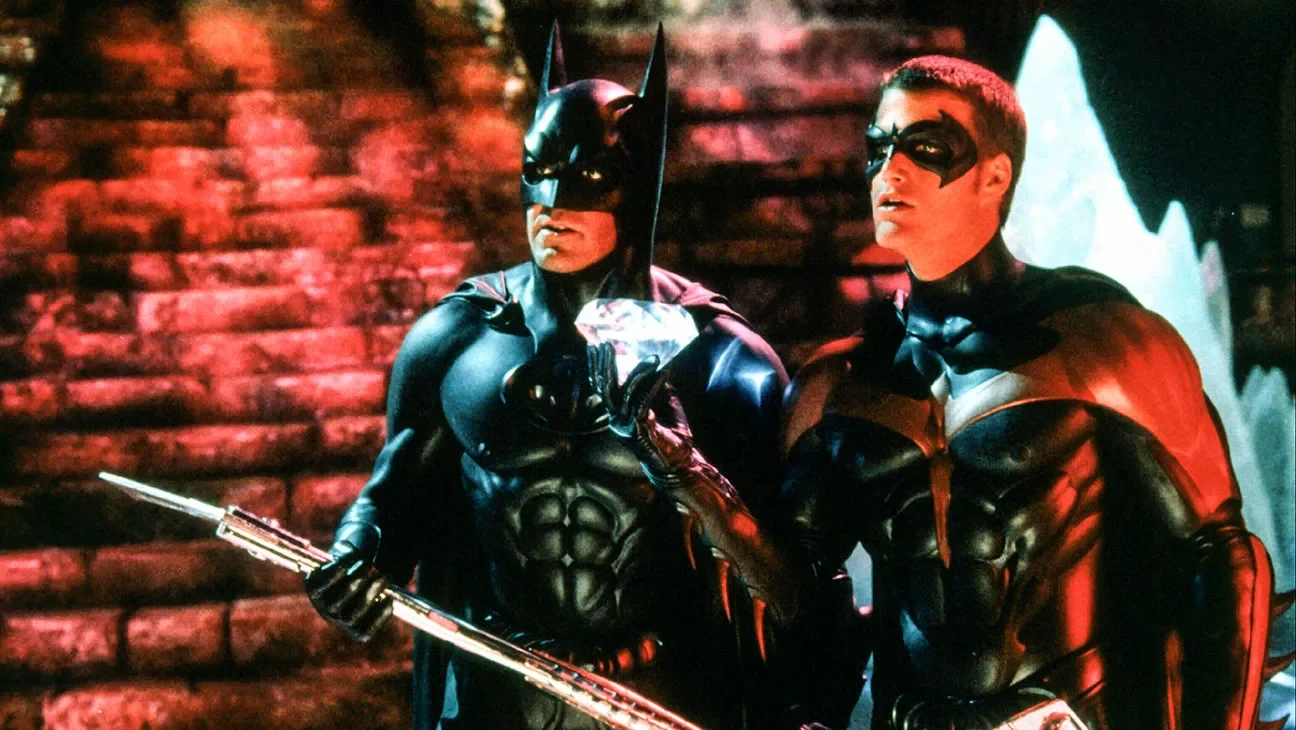
Still from 'Batman and Robin' (1997). Photo credit: Warner Bros
The History
When Hollywood storytelling was in its classical phase, the sidekick was often little more than a tool for pacing and tone. In 1930s adventure films, sidekicks were usually accompanied by comic foils or loyal friends who kept the action moving.
These sidekicks typically remained consistent throughout the story. They provided jokes, banter, or occasional assistance, but they rarely carried emotional weight. From a screenwriting perspective, they served functional needs: they allowed exposition to be delivered in dialogue rather than narration, they humanized the hero by showing loyalty, and they offered the audience a “lesser mortal” figure to identify with when the protagonist was larger than life.
Their arcs, if they had any, were usually shallow. The script demanded their presence, but not their growth.
But the rise of the buddy film in the 1970s and 1980s began to blur the line between protagonist and sidekick. Screenwriters realized that audiences responded to chemistry as much as to solitary heroism.
Superhero Writing Impact On Sidekicks
Superhero films provide one of the clearest case studies in sidekick writing evolution. Early comic book adaptations leaned on sidekicks in their most traditional forms: Robin beside Batman, Bucky alongside Captain America, Jimmy Olsen serving as Superman’s enthusiastic junior partner.
On screen, especially in mid-century serials and later television, these figures were kept young, naïve, and static, reinforcing the competence of their mentors. But as screenwriting for superhero films matured in the twenty-first century, the role of the sidekick expanded.
This is a distinctly screenwriting-driven evolution: the structure of serialized film universes demanded that every character, even supposed sidekicks, have enough dimensionality to carry future installments. The sidekick was no longer disposable but a reservoir of future story possibilities.
The Impact Of Television
Television, with its serialized format, has been instrumental in transforming sidekicks into engines of story. Secondary characters became essential not only for texture but also for generating storylines that ran parallel to or even diverged from the main arc. Take a look at Breaking Bad, one of my favorities.
At first, Jesse Pinkman is written as Walter White’s foil, a former student and small-time criminal who humanizes and contrasts the cold teacher-turned-meth kingpin. But as the series unfolds, Jesse becomes the emotional core of the show, arguably more sympathetic than Walt, and in many ways the true protagonist by the final seasons.
The audience’s investment in Jesse was not an accident but a deliberate screenwriting choice: his mistakes, his guilt, and his longing for redemption allowed writers to explore thematic territory, morality, consequences, humanity, that Walt’s increasingly villainous trajectory could no longer reach. Jesse began as a sidekick but transformed into a story engine, capable of driving entire episodes independently of Walt.
The growth of prestige television has accelerated this pattern. Shows like The Sopranos, Game of Thrones, and Succession thrive on ensembles where the supposed sidekick could, at any moment, take center stage.
Screenwriters now conceive of secondary characters less as accessories and more as nodes in a network of potential stories. The old hierarchy (hero at the top, sidekick as support) gives way to a horizontal structure in which everyone has the capacity to generate narrative drive.
Longer Television Sidekicks
When writing for long-form TV, showrunners frequently describe every character as a protagonist of their own story; the “sidekick” label becomes almost obsolete, since a single season might foreground a secondary character while sidelining the nominal lead.
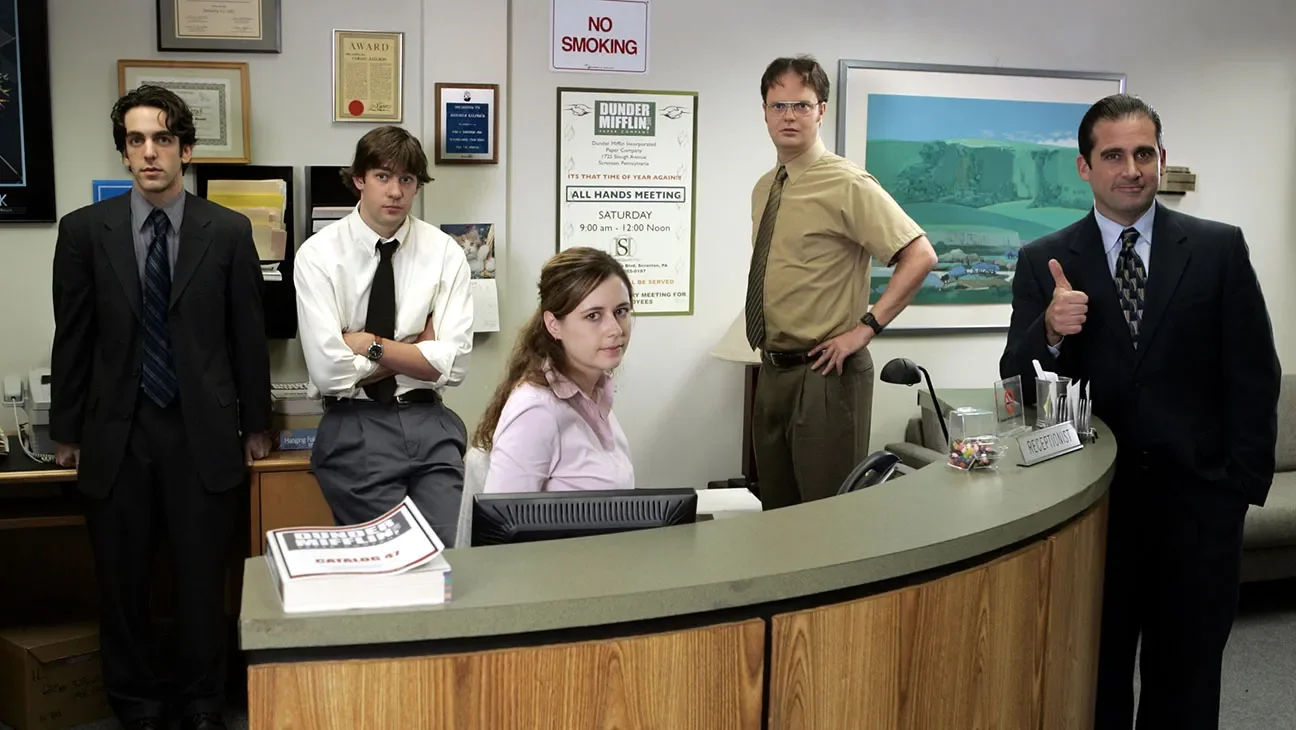
Comedy has been particularly fertile ground for the sidekick’s transformation. Screenwriters in sitcoms long recognized that the funniest character was rarely the protagonist. From Seinfeld’s George Costanza and Kramer to Friends’ Joey Tribbiani to The Office’s Dwight Schrute, these so-called sidekicks often eclipse the leads in cultural memory.
They become quotable, meme-able, and sometimes even spin-off material. Screenwriting logic supports this: protagonists are burdened with narrative responsibility, but sidekicks can be freer, zanier, and less tethered to realism.
This creative freedom makes them story engines, since writers can toss them into absurd scenarios without derailing the main plot. That elasticity consistently keeps the show fresh and audiences engaged. In many sitcom writers’ rooms, the question is not “What does the protagonist want this week?” but “What weird thing can we make the sidekick do?” The audience tunes in less for the central romance or career plotline and more for the antics of characters who were once considered secondary.
Sidekicks and Complex Narratives
One of the key reasons sidekicks have become story engines is that modern audiences demand more complex narratives. Early Hollywood could rely on archetypes, such as hero, villain, and comic relief, because audiences were conditioned to accept those roles at face value. However, as screenwriting has become more sophisticated, particularly under the influence of serialized television, independent cinema, and global storytelling traditions, the demand for nuanced characters has grown.
Franchise Filmmaking
Franchises aren’t without great sidekicks. Studios realized that sidekicks generate as much fan attachment as heroes, which means more money for sequels, spin-offs, and crossovers. Did this ruin cinema? There’s an argument to be made.
The so-called sidekick may be central in one film, peripheral in another, and later lead their own series. This fluidity collapses the old distinction between protagonist and secondary character. For screenwriters, the challenge is to seed enough detail in each appearance to keep the character viable for future use.
Sidekick’s Own Decisions
The best sidekicks are not defined solely by their relation to the hero but by their own desires, flaws, and contradictions. When screenwriters recognize this, they unlock not only richer storytelling but also sustainable worlds.
What began as comic relief or exposition has evolved into one of the most potent engines in narrative design, demonstrating that in modern storytelling, the sidekick is never just a sidekick.